Posts in Category: Uncategorized
The DIY Mechanic’s Secret Weapon: Why a Vehicle Maintenance Log Book is Your Car’s Best Investment
If you’re someone who takes pride in maintaining your own vehicle, you already know the satisfaction of a job well done. There’s something deeply rewarding about getting your hands dirty, saving money on labor costs, and truly understanding what’s happening under the hood. But here’s a question: Are you documenting all that hard work?
For DIY mechanics and car enthusiasts, a vehicle maintenance log book isn’t just another notebook—it’s a critical tool that can save you thousands of dollars, protect your investment, and turn your casual maintenance routine into a professional-grade service history.
The Hidden Cost of Forgotten Maintenance
Picture this: You’re six months down the road, and you can’t quite remember when you last changed the transmission fluid. Was it 15,000 miles ago or 25,000? Did you use synthetic or conventional oil in that last oil change? Which brand of air filter did you install that worked so well?
Without proper documentation, even the most diligent DIY mechanic can fall victim to memory gaps. These lapses don’t just lead to confusion—they can result in missed maintenance intervals, duplicate work, or worse, mechanical failures that could have been prevented.
Why Every DIY Mechanic Needs a Maintenance Log
1. Protect Your Resale Value
When it’s time to sell or trade in your vehicle, having comprehensive maintenance records can significantly boost its value. Potential buyers want assurance that the car they’re considering has been properly cared for. A detailed log book proves you’ve been proactive about maintenance, not reactive to problems.
Studies show that a complete set of maintenance records provides buyers with peace of mind and confidence, often leading them to pay more for a well-documented vehicle. In today’s competitive used car market, this documentation can be the difference between a quick sale at your asking price and weeks of negotiation.
2. Maximize Your DIY Savings
The average repair bill in the United States runs over $375, and simple tasks like oil changes can cost $40-$75 at a shop when you could do them yourself for $20-$30 in parts. But here’s the catch: handling basic maintenance jobs yourself can save hundreds each year, and a log book ensures you’re maintaining proper intervals without overdoing it.
By tracking exactly what you’ve done and when, you avoid unnecessary duplicate maintenance while ensuring you never miss critical service intervals. Your log book becomes your personal maintenance schedule, tailored to your actual driving patterns rather than generic recommendations.
3. Identify Patterns and Prevent Problems
A well-maintained log book reveals patterns you might otherwise miss. Are you replacing the same component repeatedly? Is your fuel economy declining gradually? Does a particular issue crop up seasonally?
These patterns can help you diagnose underlying problems before they become expensive failures. Your log book essentially becomes a diagnostic tool, showing you the full health history of your vehicle at a glance.
4. Warranty Protection
If you’ve installed aftermarket parts or made modifications, having detailed records of your work can be crucial if warranty issues arise. Documentation proves that you’ve maintained the vehicle properly, which can be essential when making warranty claims on components or addressing manufacturer defects.
5. Peace of Mind
There’s immense satisfaction in opening your glove box and seeing a complete history of every oil change, tire rotation, brake job, and fluid flush you’ve performed. It’s tangible proof of your commitment to your vehicle’s longevity.
What Makes a Great Vehicle Maintenance Log Book?
Not all log books are created equal. The best ones include:
- Pre-formatted pages with clearly labeled fields for dates, mileage, service type, parts used, and costs
- Dedicated sections for different maintenance categories (oil changes, tire rotations, brake service, etc.)
- Ample space for notes and observations about issues you’ve noticed or work that needs to be scheduled
- Compact size (typically 6×9 or 8.25×6 inches) that fits easily in your glove box or tool kit
- Durable construction that can withstand the garage environment
- Multiple vehicle capacity if you maintain more than one car, truck, or motorcycle
The Perfect Gift for the Car Enthusiast in Your Life
If you’re shopping for someone who’s passionate about their vehicle—whether they’re a DIY mechanic, car enthusiast, new driver learning maintenance basics, or a parent teaching their teenager about vehicle care—a maintenance log book is a thoughtful and practical gift.
It shows you respect their dedication to their vehicle and understand the importance of organization and documentation. Unlike flashy gadgets that might collect dust, a log book gets used every time they work on their car, making it a gift that keeps on giving.
Going Beyond Digital: Why Physical Log Books Still Matter
In our digital age, you might wonder why anyone would choose a physical log book over a smartphone app. Here are compelling reasons why many mechanics prefer paper:
- No batteries or screen required – it’s always accessible, even in the dirtiest garage conditions
- Works without cellular service – perfect for remote areas or when your phone is dead
- Can’t be accidentally deleted – your records are permanent and can’t be lost to a software glitch
- Transfers with the vehicle – leave it in the glove box when you sell, providing immediate documentation to the new owner
- Tactile satisfaction – there’s something rewarding about physically writing down completed work
Making the Most of Your Log Book
To get maximum value from your maintenance log:
- Keep it in your vehicle – You’re more likely to use it if it’s always within reach
- Log everything immediately – Don’t wait until later when details might be fuzzy
- Include costs – Track your savings and budget for future maintenance
- Note observations – Record anything unusual you noticed during service
- Keep receipts – Staple or tape them into your log book for complete documentation
- Review regularly – Check your log when planning upcoming maintenance
The Bottom Line
Whether you’re a weekend warrior who changes your own oil or a serious enthusiast who rebuilds engines in your spare time, a vehicle maintenance log book is an investment that pays dividends. For less than the cost of a single oil change at a shop, you get a tool that:
- Protects your vehicle’s resale value
- Helps you stay on schedule with maintenance
- Prevents costly repairs through early problem detection
- Provides satisfaction and peace of mind
- Creates a professional record of all your hard work
Your car is likely one of your most significant investments. The few minutes it takes to document each maintenance task can save you thousands down the road and ensure your vehicle serves you reliably for years to come.
Don’t let your hard work go undocumented. Start logging your maintenance today, and you’ll thank yourself when it comes time to sell, when you need to remember what you did last season, or when that perfectly maintained vehicle starts smoothly on a cold morning because you never missed a maintenance interval.
Your vehicle deserves the care you’re already giving it. Now give yourself the credit—and the protection—of proper documentation.
The Importance of Protein Intake for Building Lean Muscle Mass – Try Our Free Protein Intake Calculator
The Importance of Protein Intake for Building Lean Muscle Mass
Protein is often called the body’s “building block” for good reason: it helps repair and grow your muscles after exercise. When you exercise—especially with weights—you create tiny micro-tears in your muscle fibers. Protein helps repair these micro-tears, leading to stronger, larger muscles over time.
Why Protein Matters for Muscle Growth
Every time you exercise, particularly with strength training, your muscles undergo stress. Protein provides your body with the amino acids it needs to repair these stressed muscles, making them stronger and reducing recovery time. Without sufficient protein, your progress in muscle growth could stall.
How Much Protein Do You Really Need?
Protein needs vary based on your activity level:
- Average adults: 0.8 grams per kilogram (0.36 grams per pound).
- Active individuals (for muscle growth): 1.2–2.0 grams per kilogram (0.5–0.9 grams per pound).
- Older adults (65+): At least 1.2 grams per kilogram to prevent muscle loss.
Common Myths About Protein Intake
- Myth 1: “More protein is always better.”
Reality: Excessive protein beyond your body’s needs doesn’t significantly enhance muscle growth. - Myth 2: “You need protein supplements to build muscle.”
Reality: Whole foods can adequately meet your protein needs. - Myth 3: “High-protein diets damage your kidneys.”
Reality: Unless you have existing kidney conditions, high-protein diets are generally safe.
Recommended Protein Sources
Animal-Based Sources (Complete Proteins):
- Chicken, turkey, beef
- Fish and seafood
- Eggs
- Dairy (milk, Greek yogurt, cottage cheese)
- Whey and casein protein powders
Plant-Based Sources (Combine for Complete Proteins):
- Beans, lentils, chickpeas
- Tofu and tempeh
- Quinoa, rice, and other whole grains
- Nuts, seeds, and nut butters
- Plant-based protein powders (pea, soy, rice)
Calculate Your Daily Protein Needs
Knowing exactly how much protein you need daily can significantly improve your muscle growth results. We’ve created a Protein Intake Calculator just for this purpose.
Simply input your details—like weight, age, and activity level—to discover your optimal daily protein intake.
Consistent protein intake, combined with regular strength training, is essential for building lean muscle mass. Now that you understand the basics, use our calculator and start fueling your muscles effectively today!
Be sure to visit our site for your bodybuilding supplements
M1T Protein Intake Calculator
Why Protein Matters for Muscle Growth
Protein is essential for muscle repair and growth. Getting the right amount based on your body type, activity level, and goals is crucial for optimal results.
Recommendations for Muscle Growth
- Distribute protein intake evenly throughout the day (4-6 meals)
- Consume 20-40g of protein within 30 minutes post-workout
- Include a variety of protein sources in your diet
- Consider supplementing with protein powder for convenience
- Stay hydrated and ensure adequate calorie intake for muscle growth
A Review of the TP-Link AX1800 WiFi 6 Router V4 (Archer AX21) – Dual Band Wireless Internet Router
TP-Link AX1800 WiFi 6 Router V4 (Archer AX21) – Dual Band Wireless Internet Router
Fast, reliable, and user-friendly – that’s my initial take on the TP-Link AX1800 WiFi 6 Router (Archer AX21). After spending significant time with this dual-band powerhouse, it’s clear that this router excels in many areas. Compatibility with various service providers is just one point in its favor.
First off, Wi-Fi 6 technology offers a noticeable improvement over older models. I loved how the Archer AX21 delivers speeds up to 1.8 Gbps. Streaming my favorite shows in HD was seamless. Gaming sessions felt smoother as well. Such high speeds significantly reduce lag and buffering, giving a better experience overall.
Performance didn’t drop when multiple devices connected. With OFDMA technology, the router handles more data simultaneously. This feature proved especially beneficial in my smart home, where multiple gadgets compete for bandwidth. Connecting smartphones, tablets, and smart TVs felt effortless.
Coverage impressed me too. Thanks to the four high-gain antennas and Beamforming technology, this device sends signals directly to my devices. Far corners of my home received a strong Wi-Fi signal, which is something I didn’t experience with previous routers. I appreciated how it expanded my network without any dead zones.
Setting up the Archer AX21 was a breeze. It integrates smoothly with Alexa, making life easier for non-experts. This “Certified for Humans” feature truly shines. I had my smart devices up and running within minutes.
Moreover, the VPN server capability stands out. It supports both Open VPN and PPTP options, allowing secure browsing while working or gaming. This feature adds an extra layer of peace of mind. Offering this functionality at this price makes it a great value.
While using this router, I did notice a couple of minor issues. Occasionally, I experienced minor fluctuations in speed during peak usage times. However, this is common with many routers, especially when the network is busy. It didn’t severely impact my experience but is worth noting.
On a positive note, the build quality feels solid. It doesn’t seem flimsy or cheap, unlike some other options out there. You can place it anywhere in your home without worrying about it falling apart.
With its extensive range of features, the TP-Link AX1800 WiFi 6 Router (Archer AX21) stands strong against competitors. Other routers in this price range don’t offer the same combination of speed, capacity, and smart home integration. For family homes or tech-savvy setups, it’s hard to beat.
Overall, I came away impressed. This device proves to be a sturdy, fast, and user-friendly option for anyone seeking a reliable router. If you’re looking to upgrade your Wi-Fi experience, the Archer AX21 deserves a closer look. Explore what it can do for your home network today!
If you’re in the market for a new cost effective router the AX1800 Router is a great choice.
Unleash Your Athletic Potential with the Jump Manual
Increase Your Vertical Jump by Inches
Are you an athlete looking to improve your vertical jump? Or perhaps a basketball player aiming to dunk like the pros? Look no further than the Jump Manual!
Comprehensive Training Program
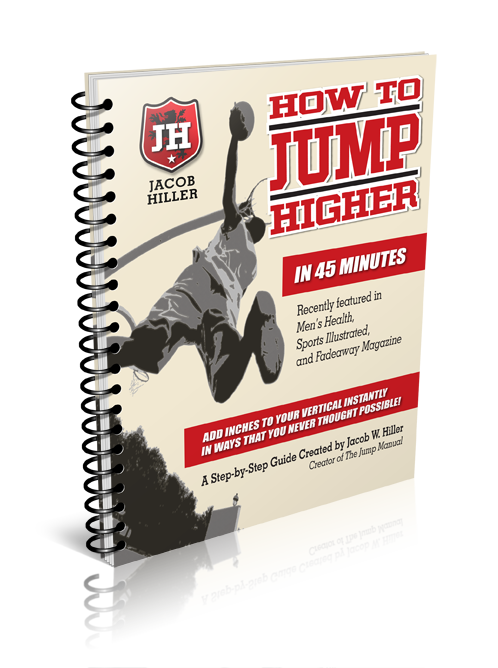
The Jump Manual is a comprehensive training program designed to maximize your vertical jump. It’s not just about jumping higher, but also about becoming a more powerful and efficient athlete. The program covers all aspects of vertical jump training, including strength training, plyometrics, and flexibility exercises.
Proven Results
The Jump Manual has been proven to deliver results. Users of the program have reported significant improvements in their vertical jump, often exceeding their initial expectations. Whether you’re a professional athlete or a recreational player, the Jump Manual can help you reach new heights in your athletic performance.
Expert Guidance
With the Jump Manual, you’re not just getting a training program – you’re getting expert guidance. The program is designed by professionals who understand the science behind vertical jump training. They’re there to guide you every step of the way, ensuring you get the most out of the program.
Tailored to Your Needs
One of the standout features of the Jump Manual is its adaptability. The program recognizes that every athlete is unique, with different strengths, weaknesses, and goals. That’s why the Jump Manual is designed to be tailored to your specific needs. Whether you’re starting from scratch or already have a solid foundation, the program can be adjusted to ensure you’re always challenged and progressing.
Comprehensive Support
When you choose the Jump Manual, you’re not just purchasing a program, you’re joining a community. The Jump Manual offers comprehensive support to all its users. From answering your questions to providing motivation and encouragement, the team behind the Jump Manual is committed to helping you succeed.
A Holistic Approach
The Jump Manual takes a holistic approach to vertical jump training. It doesn’t just focus on the physical aspects of jumping higher. The program also emphasizes the importance of nutrition, recovery, and mindset in achieving your athletic goals. With the Jump Manual, you’ll learn how to take care of your body and mind to optimize your performance.
Invest in Your Athletic Future
The Jump Manual is more than just a training program – it’s an investment in your athletic future. By teaching you the principles of effective vertical jump training, the Jump Manual equips you with the knowledge and skills to continue improving long after you’ve completed the program. It’s not just about jumping higher today, but about becoming a better athlete tomorrow.
Conclusion
The Jump Manual is a comprehensive, adaptable, and supportive program designed to help you reach your athletic potential. With its holistic approach and focus on long-term improvement, the Jump Manual is more than just a training program – it’s a pathway to athletic excellence. So why wait? Take the leap with the Jump Manual today!
Why You Should Visit Cornwall For a Great Holiday in the UK
Holiday Destinations In Cornwall
Holidays in the UK are on the rise. With travel restrictions still looming over us, we are choosing to take our holidays in blighty.
A favourite destination for many is Cornwall. Personally, I love St Ives and Carbis Bay the most but everyone’s favourite will be different.
The sheer joy and beauty of the Cornish coast is something to behold and should be a bucket list essential. Cornwall offers fabulous beaches, great food and of course Cornish Pasties!
Cream tea is also an essential part of any Cornish holiday, just make sure to put the jam on first or you’ll upset the locals. Seafood is everywhere you turn in coastal towns and villages and it doesn’t get any fresher than straight off the boat.
Try a crab sandwich while you’re there, you won’t regret it. A Cornish King crab is a popular choice.


Cornwall is a beautiful place to visit, with a lot of activities to do.
Cornwall is an English county in the southwest of the country. It is bordered by Devon to the east, Somerset to the north, and Dorset to the west.
Cornwall has a number of tourist attractions that are worth visiting. You can visit some of them in a day trip from London.
There are many things to do in Cornwall, but here are some highlights:
Fishing
Surfing
Walking
Cycling along coastal paths
Sailing or kayaking on the beautiful waterways
The first thing you should do in cornwall is going fishing. You can go fishing either from the shore or from a boat. If you’re not into fishing, there are other activities such as walking and surfing that you could try.
If you want to go sailing, then you will need to get a license from the coastguard office in Falmouth. It’s important that you have this license before going for a sail because it’s illegal without one.
Popular Cornwall Places
If you are a frequent visitor to Cornwall, you may well have a favourite place (more than one for sure). If you like merchandise with your favourite place on it, then take a look at I’d Rather Be In Cornwall